Introduction
In the grand tapestry of community health, few companies attract attention as vibrantly as St John Ambulance Developed to offer first aid programs for childcare emergency clinical support and first aid training, its evolution from humble beginnings mirrors a commitment to public welfare that spans over a century. This article will check out the beginning of St John Ambulance and its substantial impact on first aid methods globally. We will certainly look into different topics surrounding the company, including its role in neighborhood health and wellness, first aid awareness projects, and practical suggestions for dealing with minor injuries. By checking out these elements, we can much better recognize exactly how St John Ambulance has shaped our method to emergency care.
The Duty of St John Ambulance in Community Health
A Historical Perspective on Neighborhood Care
The origins of St John Ambulance can be traced back to the late 19th century when citizen-led initiatives emerged in action to the boosting need for arranged treatment. The facility of the St John Rescue Brigade in 1887 marked a zero hour in history, developing a structured approach towards emergency situation medical assistance.
Community Engagement Initiatives
St John Rescue highlights area health by engaging with regional populations via educational programs and emergency treatment awareness campaigns. These campaigns empower people to take obligation for their wellness and safety.
Training Programs Offered
- First Aid Training: Courses created for numerous ability levels. CPR Accreditation: Ensuring that basic life support skills are extensively disseminated. Childcare Emergency treatment: Resolving certain needs for moms and dads and caregivers.
From Modest Starts: The Establishing of St John Rescue and Its Impact on First Aid
In 1885, Sir William Henry Harcourt proposed the facility of a volunteer company committed to offering clinical support during crises. Therefore started the journey of St John Ambulance, based on concepts of charity, obligation, and service. Over the years, it has actually adjusted together with developments in medicine while preserving its grassroots ethos.
Global Development and Recognition
Since its beginning, St John Rescue has actually grown past British borders. Today, it runs in various nations worldwide, each branch tailoring its solutions to satisfy neighborhood needs while adhering to a common goal: saving lives through education and punctual action.
Influence on Modern First Aid Practices
The practices developed by St John have laid foundational principles that remain to affect how we resolve medical emergencies today-- from recognizing family pet distress to using methods like turning one's head back for nosebleeds.
Essential Household Products for Emergency Treatment Preparedness
Building Your Portable Kit
A necessary facet of first aid is having a well-stocked portable set in the house or during traveling. Here's what you ought to consist of:
Adhesive bandages Antiseptic wipes Gauze pads Medical tape Scissors Instant chilly packsCommon Household Hazards
Understanding potential household threats is critical for effective emergency treatment preparedness:
- Kitchen knife cuts: Maintain sharp items far from children. Fall avoidance ideas: Make certain carpets are safeguarded and paths are clear.
Gaining Consent in Various Communities
Cultural Level of sensitivity in Medical Care
When delivering emergency treatment or involving with community participants concerning health problems, acquiring approval is critical-- especially within multicultural cultures where custom-mades differ widely.
Best Practices for Acquiring Consent
Clearly discuss your intentions. Be considerate and conscious cultural norms. Ensure understanding prior to proceeding with any kind of treatment.Recognizing Pet Distress: An One-of-a-kind Aspect of First Aid
Understanding Signs of Distress in Pets
Just like humans, family pets call for immediate treatment when they're weak or injured. Identifying indications such as excessive panting or whimpering can aid prevent severe issues.
Basic First Aid Methods for Pets
- Control blood loss with clean cloths. Administer CPR if needed (specific methods vary by animal).
Treating Minor Injuries on Yourself: A Detailed Guide
Assessing Your Injury Properly
When faced with minor injuries such as cuts or scrapes:
Wash your hands extensively prior to touching any kind of wounds. Assess the injury's extent-- if it seems severe, look for expert assistance immediately.Basic Treatment Steps for Common Injuries
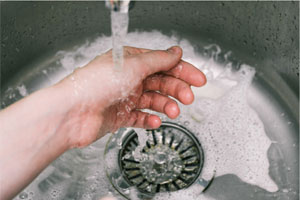
- For kitchen area knife cuts: Clean under running water. Apply antiseptic ointment and cover with a bandage. For bruises: Apply ice wrapped in towel to decrease swelling.
Bushfire Period Injuries: Unique Considerations
Understanding Bushfire Risks
As bushfire periods become a lot more common as a result of first aid course for childcare online climate modification, comprehending related injuries is crucial:
- Smoke breathing can trigger respiratory system issues. Burns from flames require immediate attention.
Emergency Action Approaches During Fires
Call emergency services promptly. Move far from smoke resources; find fresh air. Follow neighborhood emptying plans if necessary.First Aid Awareness Projects: Transforming Perspectives on Health Care
Importance of Education and learning in Emergency Treatment Understanding Campaigns
Education is vital; without it, several individuals might not understand just how to react efficiently during emergencies.
Key Components of Successful Campaigns
- Engaging multimedia presentations Community workshops School programs targeting youth
Fire Extinguisher Procedure: An Essential Life Skill
Understanding Fire Extinguishers
Knowing how to operate a fire extinguisher can conserve lives:
Pull the pin. Aim low at the base of the fire. Squeeze the manage slowly; move side-to-side till extinguished.Types of Extinguishers
|Type|Utilizes|| ----------|---------------------|||Wood/paper fires|| B|Flammable fluids|| C|Electric fires|
FAQs regarding St John Ambulance
1. What is the function of St John Ambulance?
St John Ambulance provides emergency clinical services and advertises first aid education and learning internationally to boost neighborhood health outcomes.
2. Just how can I obtain included with my neighborhood St John Ambulance?
You can offer your time or attend training courses offered by your regional branch by means of their main website.
3. What kinds of training does St John Rescue offer?
They supply numerous training courses ranging from standard first aid training to innovative life assistance accreditations customized for various audiences.

4. Why is obtaining consent vital in healthcare?
Acquiring consent ensures regard for specific autonomy and cultural beliefs while giving care safely and ethically.
5. Exactly how do I build a reliable emergency treatment kit?
Consist of important products such as adhesive tapes, bactericides, gauze pads, scissors, etc, ensuring you customize your kit based on individual needs or conditions present at home.
6. Are there particular considerations when treating animals?
Yes! Treating pets needs unique techniques; always seek advice from professionals if unclear regarding carrying out care yourself.
Conclusion
Reflecting on "From Modest Beginnings: The Founding of St John Ambulance and Its Impact on Emergency Treatment," we recognize an organization devoted not just to specific health but additionally common toughness with education and aggressive actions against emergency situations-- a heritage that expands across boundaries and generations alike! As we progress right into an uncertain future dominated by health and wellness crises like pandemics or all-natural calamities-- recognizing fundamental first-aid skills continues to be vital in making sure risk-free neighborhoods outfitted with understanding that encourages everyone!

Incorporating these trainings right into day-to-day life cultivates resilience within communities while boosting general public health and wellness criteria-- one person each time! Whether you're involving through local campaigns or just preparing your family supplies-- remember that every bit aids make our world safer!